

Transforming an old display cabinet with Chalk Paint® is one of the most rewarding upcycling projects you can tackle. When I set out to paint a display cabinet, I knew I wanted to learn from the best—and that meant exploring the Annie Sloan method. Annie Sloan, a legendary figure in the painted furniture revolution, has inspired countless DIY enthusiasts to give old pieces a stunning second life. In this guide, I’ll share my experience painting a large display cabinet using the techniques that make paint display cabinet Annie Sloan projects so successful.

I stumbled upon an inspiring video by Annie Sloan about furniture painting, and it completely changed how I approach upcycled projects. Annie Sloan, who works from Oxford, England, developed Chalk Paint®—a revolutionary product that requires no sanding or pre-treatment. She’s been painting for over 40 years and has written numerous books on the subject. Her approach combines decades of knowledge about paint, pigments, and art history into a formula that makes furniture painting accessible to everyone.
What makes Annie Sloan so influential is her desire to empower people creatively through her books, workshops, and specially formulated paint. Her philosophy encourages anyone—regardless of experience—to pick up a brush and transform tired, forgotten furniture into beautiful statement pieces.
The Cabinet Project: Dimensions and Planning
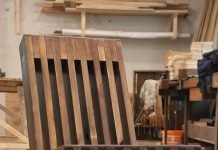
The display cabinet I wanted to paint was substantial: 2.60 meters long, 0.60 meters wide, and 2.35 meters tall. Before finding Chalk Paint®, I’d been searching for the perfect piece to upcycle. This cabinet was exactly what I needed—a blank canvas for my first major painted furniture project.
One of the biggest advantages of using Chalk Paint® is that you can start immediately without the tedious prep work required by traditional paints. No sanding down the entire surface. No primer. No multi-day preparation process. This makes learning to paint a display cabinet much less intimidating for beginners.
What Makes Chalk Paint® Different
Having used Chalk Paint® on multiple pieces, I can confirm it’s genuinely different from any other paint on the market. Here’s what sets it apart:
- Drying time is faster and more predictable than standard paints
- The texture allows for beautiful, varied finishes and techniques
- It adheres to furniture without pre-treatment or sanding
- It works on wood, metal, and even walls and floors
- The surface finish is unique and ideal for creative aging techniques
Before tackling the display cabinet, I practiced on a coffee table to get comfortable with the product. This smaller project taught me how the paint behaves and helped me develop the techniques I’d use on the larger piece.
Creating That Perfect Aged Look
For both the coffee table and the display cabinet, I chose an aged, vintage aesthetic. This style works beautifully with Annie Sloan’s approach to furniture painting and gives pieces authentic character. Here’s my process:
- Applied two layers of Chalk Paint® in my chosen color
- Strategically sanded certain spots to reveal the base color underneath
- Added a wax finish to enhance the aged appearance
- Buffed the wax to create depth and richness in the color
The wax finish is crucial for achieving that luxurious, well-loved look. It adds depth and protects your painted display cabinet while giving it a softer, more sophisticated appearance than plain paint alone.
Your Turn to Transform Furniture
My biggest takeaway from this experience: just go for it. There’s no reason to let an old display cabinet gather dust when you can breathe new life into it with Annie Sloan techniques. Whether you’re working with a thrifted find or an inherited piece collecting cobwebs, Chalk Paint® and these proven methods can transform it into something beautiful.
The beauty of upcycling furniture this way is that every project is unique. Your color choices, distressing techniques, and finishing touches create a one-of-a-kind piece that reflects your personal style. If you’re ready to start your own painted furniture journey, Annie Sloan’s approach proves that this rewarding craft is accessible to everyone.
Design by Gilbert de Rooij | Photos © Gilbert de Rooij
Since you’re here …
I have a small favor to ask. Thousands are visiting upcycleDZINE for upcycle design inspiration every month. Readers in more than 100 countries around the world are now able to support financially.
upcycleDZINE is a completely independent niche site, is very work-intensive, and offers tons of unique information for free.
To keep upcycleDZINE running, I’m asking you for your support.
Your contribution will allow me to:
– meet the hosting costs
– upgrade to keep track of traffic increases
– add new content, and keep improving the older content
– add new functionalities to this site
– improve how it works and how it looks
– and last but not least, my daily dose of coffee 🙂
Again, all contributions will be reinvested into the aforementioned associated costs of running this blog and will help ensure the ongoing quest for quality upcycle design.
Your kindness and generosity will be greatly appreciated and will give me the motivation to continue.
Every contribution, however big or small, is so valuable for the future of upcycleDZINE.
Support today from as little as $2 – it only takes a minute. Thank you.