

Imagine sitting at home, pedaling an energy generating bike DIY project while watching your favorite film, and powering your television at the same time. It sounds like science fiction, but it’s a reality thanks to innovative upcycling projects like the Power Bike developed by Open Sources, a design collective based in Saint-Étienne, France. This unique energy generating bike DIY concept transforms ordinary trash and recycled materials into a working electricity generator that proves exercise and sustainability can go hand-in-hand. The idea isn’t entirely new—students from the School of Mines in Saint-Étienne launched a similar initiative in 2012, and New York’s Pedal Power NYC organized a pedal-powered music festival in 2011 with 250 volunteer cyclists—but Open Sources took the concept even further by creating bikes entirely from upcycled materials.
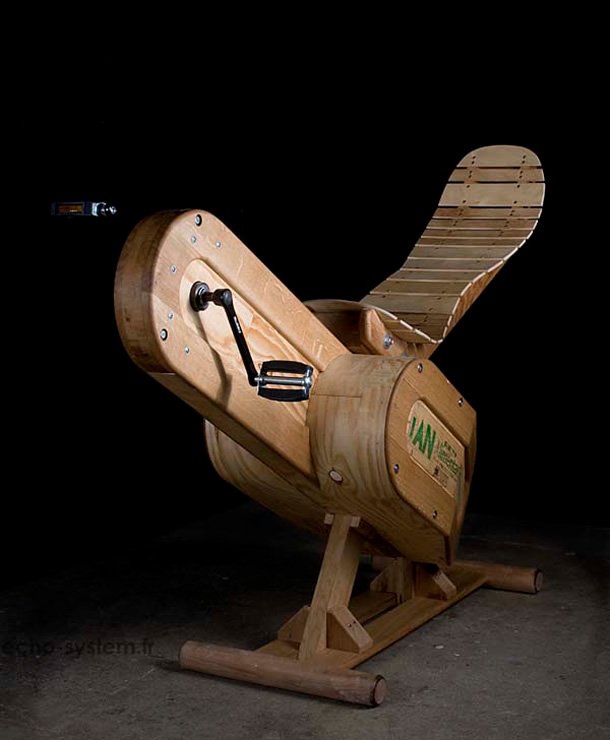
Open Sources is an association dedicated to promoting reuse and local practices in sustainable design. Their mission centers on educating the public to reduce waste through hands-on reuse practices. When the team wanted to power projection equipment at the 2012 Curious Travelers Film Festival, they realized an energy generating bike DIY solution was the perfect fit. Working in collaboration with BP design, Open Sources developed five plastic bike prototypes designed to generate electricity through pedaling power.
Building From Trash: Upcycled Materials Used
What makes this project truly inspiring for the upcycling community is that two of the five prototypes were built entirely in their workshop using reused materials:

- Old beds were repurposed for comfortable bike seats
- Discarded market crates and supermarket hardboard formed structural components
- Vintage church benches were transformed into sturdy frames
- Additional recycled plastics and scrap materials completed the builds
The remaining three bikes were manufactured from plastic through selected subcontractors, but the focus on upcycled versions proved the core concept’s viability. Each prototype generated approximately 100 watts of electricity—enough that only three bikes were needed to power a complete video projector for an entire 54-minute documentary screening.
Real-World Results: Powering Entertainment Sustainably
The success of this energy generating bike DIY project was undeniable. At the film festival, the pedal-powered bikes successfully demonstrated that human-powered electricity generation isn’t just theoretical—it’s practical and effective. Volunteers could enjoy entertainment while contributing to the event’s power needs, creating that perfect win-win scenario: fitness plus sustainability.
Why This Matters for DIY Enthusiasts
For anyone interested in sustainable living and upcycling, the Power Bike project offers valuable lessons. It shows that:
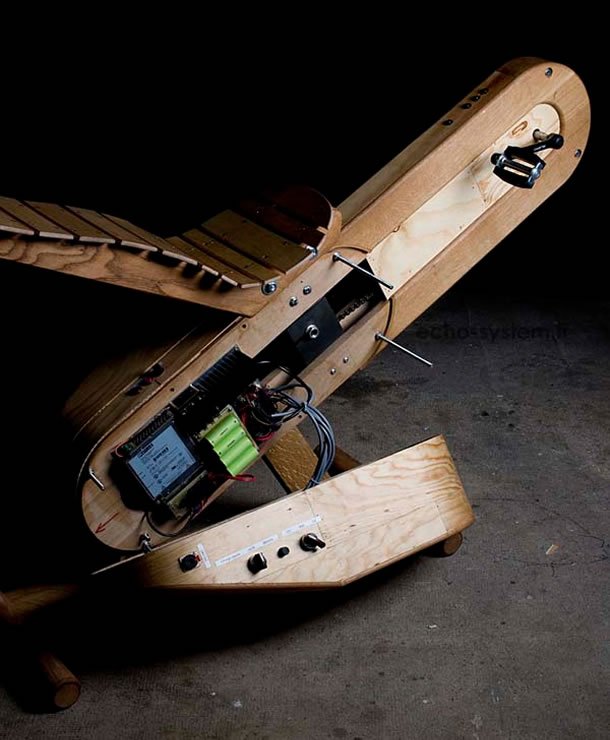
- Everyday trash materials can be transformed into functional, high-tech solutions
- Community collaboration and creative engineering can solve real environmental problems
- Pedal power isn’t just romantic nostalgia—it’s a legitimate renewable energy source
- Upcycling projects can serve both practical and educational purposes
Whether you’re inspired to create your own pedal-powered generator or simply want to learn more about sustainable design, the Open Sources model proves that innovation doesn’t require virgin materials or expensive components.
About Open Sources: The Designers Behind the Power Bike
Open Sources operates as a multidisciplinary collaborative platform based on principles of circular economy and “physical sobriety”—doing more with less. Their expertise spans training, product design, prototyping, system design, and spatial planning. The collective specializes in sustainable design and works with diverse audiences including individuals, associations, institutions, and companies. Their philosophy centers on reusing materials and reducing waste through thoughtful, creative practice. By combining professional expertise with community participation, Open Sources demonstrates that upcycled energy solutions can be both beautiful and functional.
Design by Open Sources
Since you’re here …
I have a small favor to ask. Thousands are visiting upcycleDZINE for upcycle design inspiration every month. Readers in more than 100 countries around the world are now able to support financially.
upcycleDZINE is a completely independent niche site, is very work-intensive, and offers tons of unique information for free.
To keep upcycleDZINE running, I’m asking you for your support.
Your contribution will allow me to:
– meet the hosting costs
– upgrade to keep track of traffic increases
– add new content, and keep improving the older content
– add new functionalities to this site
– improve how it works and how it looks
– and last but not least, my daily dose of coffee 🙂
Again, all contributions will be reinvested into the aforementioned associated costs of running this blog and will help ensure the ongoing quest for quality upcycle design.
Your kindness and generosity will be greatly appreciated and will give me the motivation to continue.
Every contribution, however big or small, is so valuable for the future of upcycleDZINE.
Support today from as little as $2 – it only takes a minute. Thank you.