


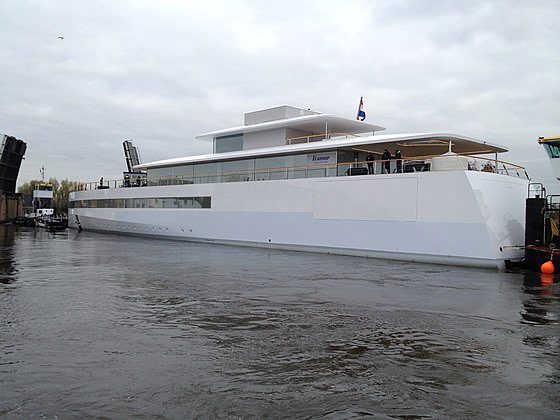
The Steve Jobs yacht design represents one of the most fascinating intersections of technology, minimalism, and luxury maritime engineering. The superyacht Venus isn’t a traditional upcycling or recycling project, but it’s a remarkable example of thoughtful, intentional design that deserves a place in our creative conversation. This 78-meter aluminum vessel, named after the Roman Goddess of Love, showcases how visionary thinking can transform any medium—including luxury yachts—into a statement of purpose and philosophy.
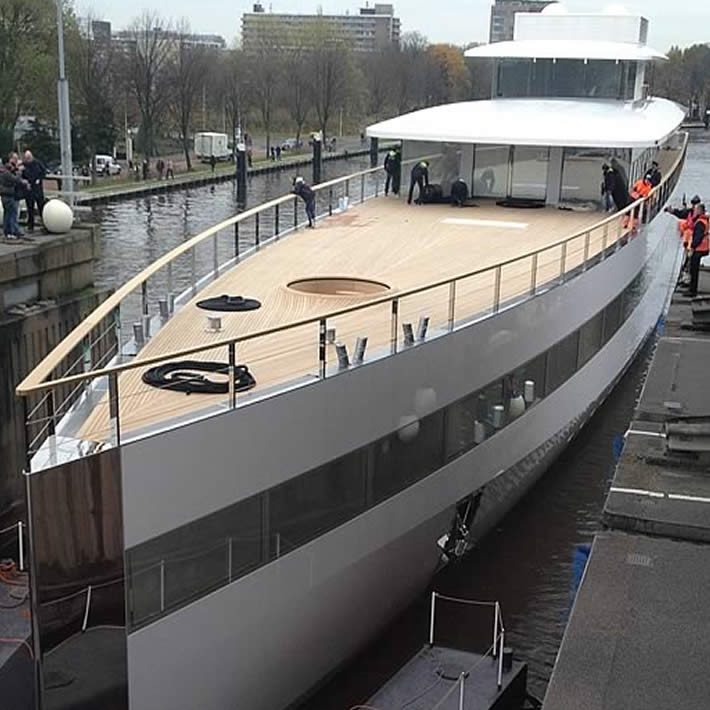
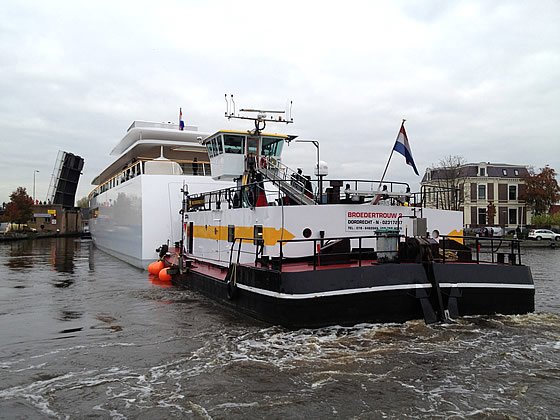
I’ve been following Steve Jobs and Apple’s design philosophy for over 25 years, watching the company navigate countless ups and downs while maintaining an unwavering commitment to elegance and simplicity. When I learned the Venus had been transported through my hometown, I became even more intrigued by this ambitious yacht design project. While my first impressions were mixed, the more I studied the vessel and its details, the more the design grew on me. It’s worth taking a closer look at what makes this superyacht so special.

Jobs collaborated with renowned French designer Philippe Starck to bring the Venus to life, beginning the project in 2007. The yacht’s hull is constructed entirely from aluminum, chosen for both its durability and lightweight properties. What’s particularly fascinating about this Steve Jobs yacht is how it reflects his obsession with minimalism and functionality—the same principles that defined every Apple product.
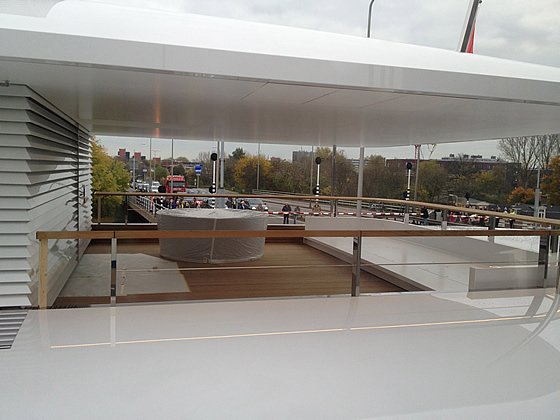
According to Walter Isaacson, who wrote the definitive Steve Jobs biography, Jobs envisioned the yacht as extraordinarily sleek and minimalist. The teak decks were perfectly flat and unblemished by any unnecessary fixtures or accoutrements. This attention to detail extended to every aspect of the vessel, from the bridge technology to the cabin aesthetics.
Technology Meets Luxury
The bridge of Venus features seven 27-inch iMacs that control all vessel operations. This choice is unmistakably Jobs—integrating the same technology he’d pioneered into the maritime world. But the real masterpiece lies in the glass installations throughout the yacht.

Jobs was so particular about the glass that he enlisted the chief engineer from Apple stores to oversee its design and installation. The cabin windows are massive panes, almost floor-to-ceiling, creating an open, minimalist aesthetic. The main living area features walls of glass measuring 40 feet long and 10 feet high—transforming the interior into a space that feels simultaneously luxurious and uncluttered.

A Legacy Project
This ambitious superyacht design took years to complete, and Jobs remained deeply committed to it despite his declining health. In one poignant moment captured by Isaacson, Jobs reflected on the project’s significance: “I know that it’s possible I will die and leave Laurene with a half-built boat. But I have to keep going on it. If I don’t, it’s an admission that I’m about to die.”
Tragically, Jobs passed away on October 5, 2011, at just 56 years old, after battling pancreatic cancer. The Venus became one of the final design projects he would oversee, completed after his death as a testament to his vision and determination. The yacht stands as a remarkable monument to Jobs’s design philosophy: the belief that every detail matters, that beauty and function must coexist, and that intentionality in design elevates even the most ambitious projects.

Design Philosophy Reflected

What makes the Venus particularly relevant to the upcycling and sustainable design community is the underlying principle: purposeful creation. While the yacht represents ultimate luxury rather than sustainable upcycling, the philosophy behind it—using high-quality materials thoughtfully, eliminating unnecessary elements, and designing for longevity—mirrors values we celebrate in creative reuse and conscious consumption.
The Venus demonstrates that great design transcends categories. Whether you’re creating DIY upcycled projects or engineering a superyacht, the same principles apply: intentionality, minimalism, and an obsessive attention to detail.

Design by Philippe Starck and Steve Jobs
Since you’re here …
I have a small favor to ask. Thousands are visiting upcycleDZINE for upcycle design inspiration every month. Readers in more than 100 countries around the world are now able to support financially.
upcycleDZINE is a completely independent niche site, is very work-intensive, and offers tons of unique information for free.
To keep upcycleDZINE running, I’m asking you for your support.
Your contribution will allow me to:
– meet the hosting costs
– upgrade to keep track of traffic increases
– add new content, and keep improving the older content
– add new functionalities to this site
– improve how it works and how it looks
– and last but not least, my daily dose of coffee 🙂
Again, all contributions will be reinvested into the aforementioned associated costs of running this blog and will help ensure the ongoing quest for quality upcycle design.
Your kindness and generosity will be greatly appreciated and will give me the motivation to continue.
Every contribution, however big or small, is so valuable for the future of upcycleDZINE.
Support today from as little as $2 – it only takes a minute. Thank you.






















Any crew needed? I' ll work for free….
Nice pics
Always a pleasure
Really extraordinary pictures and a nice story. Thank you for sharing!