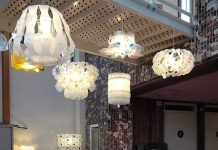


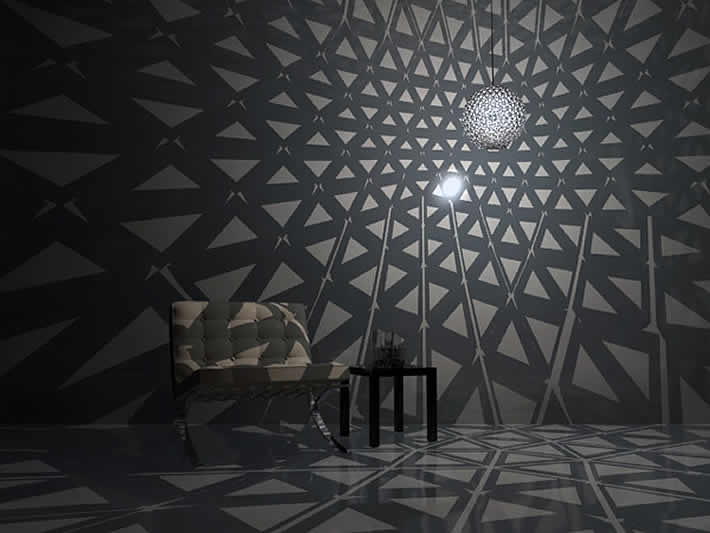
The TetraBox lamp DIY project proves that stunning home décor doesn’t require buying new materials—it requires creativity and patience. Designed by Ed Chew, this origami-inspired lamp transforms discarded cartons into a mesmerizing geometric lighting fixture. By cutting cartons into strips, folding them into hundreds of individual pieces, and assembling them without adhesives, Chew created something truly extraordinary. The TetraBox lamp won the Grand Prize at the Bright Ideas Lighting Design Competition in May 2011, showcasing how origami upcycling can elevate sustainable design.
Understanding the Origami Technique Behind TetraBox
Before diving into your own TetraBox lamp DIY project, it’s worth understanding the origami foundation. The word “origami” comes from “ori” (folding) and “kami” (paper), though modern upcyclers have expanded this ancient art to include cardboard, cartons, and other recyclables. Chew’s approach demonstrates how traditional folding techniques can be applied to everyday waste materials, creating something that’s both functional and beautiful.
The magic of this design lies in its modular system. Each fold follows the same pattern, creating identical pieces that interlock without needing glue, tape, or fasteners. This makes the construction process meditative and accessible—once you understand the fold, you can create dozens of identical units and watch them transform into a three-dimensional form.

Why the TetraBox Lamp DIY Works for Upcyclers
What makes the TetraBox lamp so appealing to the upcycling community? Several reasons stand out:
- Zero-waste assembly: No glues, screws, or adhesives needed—just precision folds and careful stacking
- Scalable design: Create a small accent lamp or a larger statement piece by adjusting the number of modules
- Material flexibility: While Chew used cartons, you can experiment with kraft paper, newspaper, or other sturdy cardboard
- Customizable aesthetics: Paint, dye, or leave natural—the geometric patterns work with any color scheme
- Reproducible technique: Once you master one module, repetition becomes therapeutic rather than tedious
Getting Started: Materials You’ll Need
To create your own TetraBox lamp DIY version, gather these materials:

- Discarded cartons or sturdy cardboard (milk cartons, juice boxes, packaging boxes)
- Sharp utility knife or box cutter
- Metal ruler or straightedge
- Cutting mat
- LED light source (battery-powered or plug-in)
- Optional: acrylic paint, markers, or wood stain for finishing
The Design Evolution: From One Concept to Many
What’s fascinating about Ed Chew’s work is that he hasn’t stopped at just one TetraBox design. Using the same origami module as the foundation, he’s created different lamp styles, proving that one sustainable technique can yield infinite variations. This approach aligns perfectly with the upcycling philosophy: maximize creativity from minimal resources.
Whether you’re creating a geometric cube, a hanging pendant, or an elaborate tower lamp, the core folding technique remains consistent. This consistency makes the TetraBox lamp DIY project scalable for crafters of all skill levels.
Why This Upcycled Lamp Matters

Beyond its aesthetic appeal, the TetraBox lamp represents something important in sustainable design: proof that discarded materials can become award-winning art. It doesn’t require expensive tools, rare materials, or years of training. What it does require is patience, precision, and a willingness to see potential in items destined for the recycling bin.
By attempting your own TetraBox lamp DIY project, you’re not just creating home décor—you’re participating in a larger movement toward conscious consumption and creative reuse.
Ready to Fold?
The TetraBox lamp shows us that origami isn’t confined to delicate paper cranes or decorative boxes. It’s a powerful framework for transforming waste into wonder. Whether you’re a seasoned upcycler or trying your first DIY project, this technique invites you to slow down, fold carefully, and watch something magical emerge from materials you already have at home.
Design by Ed Chew
Since you’re here …
I have a small favor to ask. Thousands are visiting upcycleDZINE for upcycle design inspiration every month. Readers in more than 100 countries around the world are now able to support financially.
upcycleDZINE is a completely independent niche site, is very work-intensive, and offers tons of unique information for free.
To keep upcycleDZINE running, I’m asking you for your support.
Your contribution will allow me to:
– meet the hosting costs
– upgrade to keep track of traffic increases
– add new content, and keep improving the older content
– add new functionalities to this site
– improve how it works and how it looks
– and last but not least, my daily dose of coffee 🙂
Again, all contributions will be reinvested into the aforementioned associated costs of running this blog and will help ensure the ongoing quest for quality upcycle design.
Your kindness and generosity will be greatly appreciated and will give me the motivation to continue.
Every contribution, however big or small, is so valuable for the future of upcycleDZINE.
Support today from as little as $2 – it only takes a minute. Thank you.